



SWI/SNF Complex
SWI/SNF Family of Chromatin-Remodelling Complexes
The SWI/SNF family of chromatin-remodelling complexes, also known as BRG1/BRM-associated factor (BAF) complexes (BOX 1), are key regulators of nucleosome positioning. The SWI/SNF family chromatin remodeling complexes are multi-subunit, ATP-dependent molecular machines that slide and evict nucleosomes. They play a major role in control of the chromatin structure and regulate gene transcription in eukaryotic cells. Mutations of the human complexes are often found in cancers and neurodevelopmental disorders. Mammalian SWI/SNF complexes belong to three broad subfamilies: canonical BAF (cBAF); polybromo-associated BAF (PBAF); and the GLTSCR1 or GLTSCR1L-containing and BRD9-containing (GBAF) complex. All three complexes contain the core subunits including SMARCC1, SMARCC2, and either of the ATPases SMARCA4 or SMARCA2, but also contain numerous variable subunits that provide each of the complexes with a distinct identity.
The human SWI/SNF complexes are frequently mutated in cancer. Loss of the peripheral subunits, such as SMARCB1, PBRM1, and SMARCE1, results in formation of defective complexes, which delocalize on chromatin, deregulate gene transcription, and potentially are oncogenic. Cancer genome-sequencing studies have revealed a remarkably high prevalence of mutations in genes encoding subunits of the SWI/SNF chromatin-remodelling complexes, with nearly 25% of all cancers harbouring aberrations in one or more of these genes. Consequently, increasing research interest is being focused on understanding the prognostic and, in particular, the potential therapeutic implications of mutations in genes encoding SWI/SNF subunits[1][2].
The human SWI/SNF complexes are frequently mutated in cancer. Loss of the peripheral subunits, such as SMARCB1, PBRM1, and SMARCE1, results in formation of defective complexes, which delocalize on chromatin, deregulate gene transcription, and potentially are oncogenic. Cancer genome-sequencing studies have revealed a remarkably high prevalence of mutations in genes encoding subunits of the SWI/SNF chromatin-remodelling complexes, with nearly 25% of all cancers harbouring aberrations in one or more of these genes. Consequently, increasing research interest is being focused on understanding the prognostic and, in particular, the potential therapeutic implications of mutations in genes encoding SWI/SNF subunits[1][2].
SWI/SNF Complex Isoform Specific Products
All Product Categories
-
SWI/SNF Complex Related Products (179)
Related Products (179)

-
SWI/SNF Complex Isoform Comparison
-
AU-15330
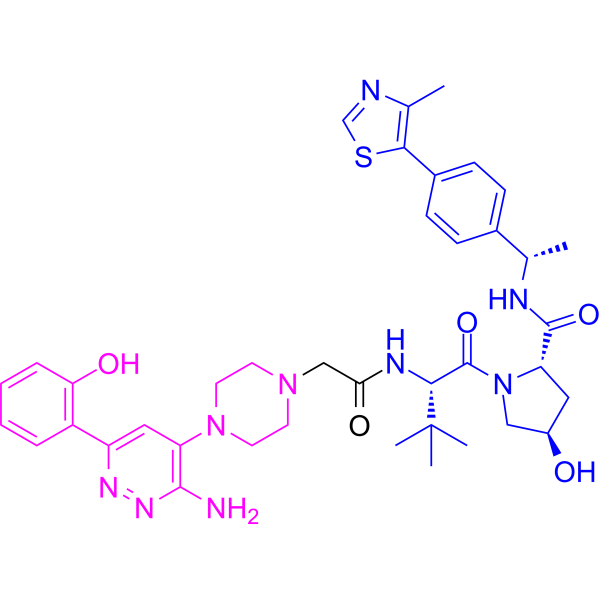 0 ImagesAU-15330 is a proteolysis-targeting chimera (PROTAC) degrader of the SWI/SNF ATPase subunits, SMARCA2 and SMARCA4. AU-15330 induces potent inhibition of tumour growth in xenograft models of prostate cancer and synergizes with the AR antagonist enzalutamide. AU-15330 induces disease remission in castration-resistant prostate cancer (CRPC) models without toxicity.
-
Camibirstat
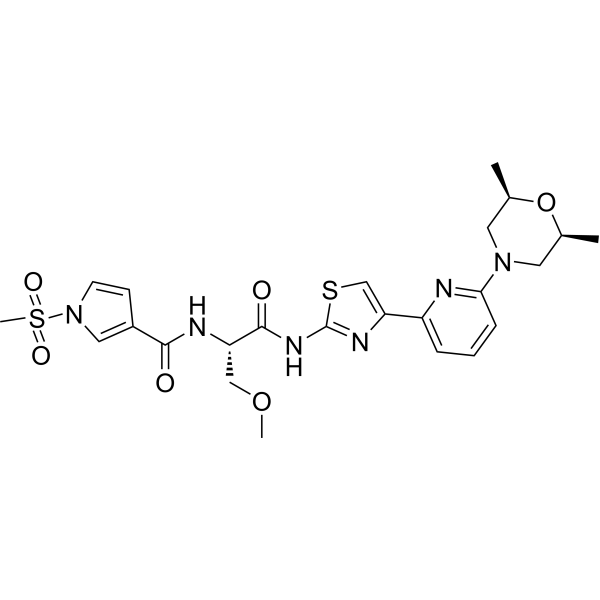 0 ImagesSynonyms: FHD-286FHD-286 is a selective, oral inhibitor of SMARCA4/SMARCA2 ATPase (BRG1 and BRM) inhibitor. FHD-286 has the potential for the research of BAF (BRG1/BRM-associated factor)-related disorders such as acute myeloid leukemia.
-
BRM/BRG1 ATP Inhibitor-1
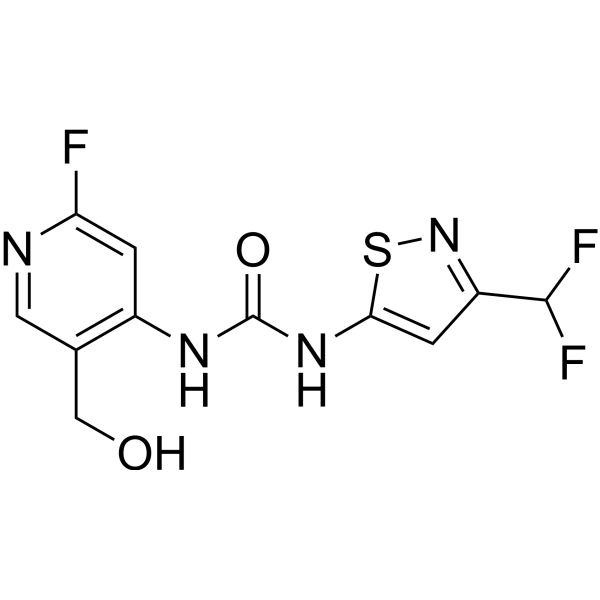 0 ImagesBRM/BRG1 ATP Inhibitor-1 (compound 14) is an orally active allosteric dual brahma homolog (BRM)/SWI/SNF related matrix associated actin dependent regulator of chromatin subfamily A member 2 (SMARCA2) and brahma related gene 1 (BRG1)/SMARCA4 ATPase activity inhibitor, both IC50s are below 0.005 µM. BRM/BRG1 ATP Inhibitor-1 has anticancer activity.
-
G-6599
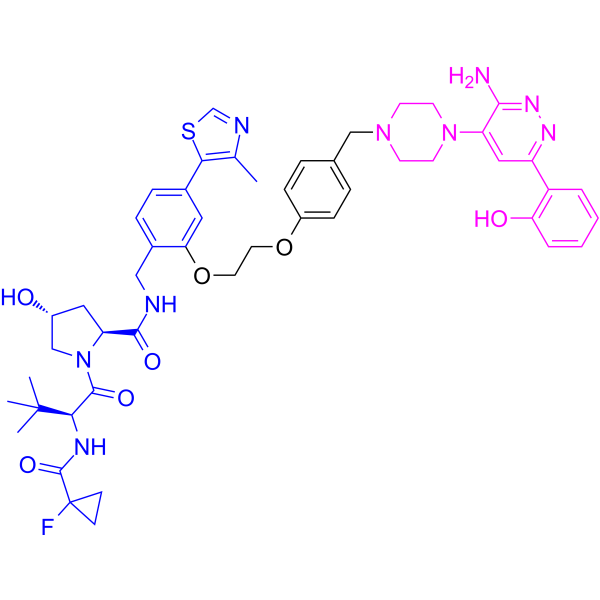
 0 ImagesG-6599 is a covalent molecular glue degrader targeting SMARCA2/SMARCA4, with DC50 values of 0.017 nM and 0.057 nM against SMARCA2 and SMARCA4 in SW1573 cells, respectively. G-6599 exhibits proteome selectivity for SMARCA2, SMARCA4, and PBRM1. G-6599 induces the assembly of the SMARCA2-FBXO22 ternary complex, enabling ubiquitination and proteasomal degradation of both proteins via the ubiquitin-proteasome pathway without the need for biotransformation. G-6599 shows antiproliferative effects in relevant cancer cell models. G-6599 can be used for research on androgen-dependent prostate cancer and SMARCA4-mutant non-small cell lung cancer.

-
A947
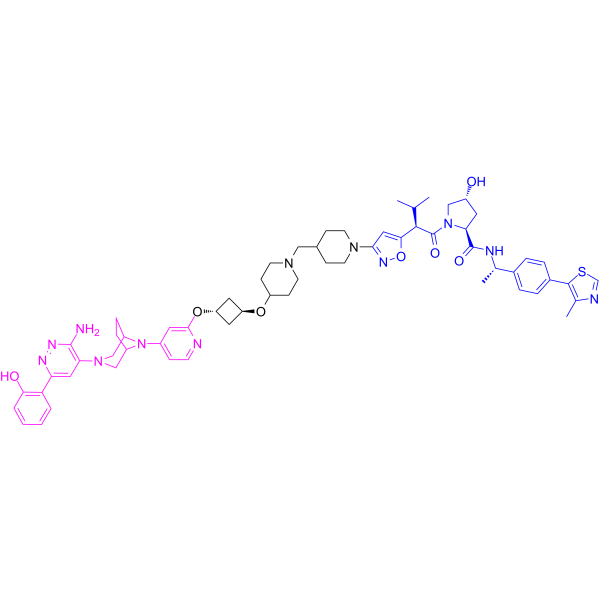 0 ImagesCat. No.: HY-148381CAS No.: 2378056-80-3A947 is a VHL-based SMARCA2 PROTAC degrader with a DC50 of 39 pM and a Kd of 93 nM for human SMARCA2. A947 recruits SMARCA2 to the VHL E3 ubiquitin ligase for ubiquitination modification, mediates its degradation via the proteasome, and exerts selective degradation effects on SMARCA4 and PBRM1. A947 induces G1 cell cycle arrest, inhibits transcription, and exerts growth inhibitory effects in SMARCA4G12C-mutant cancer cells. A947 acts synergistically with MCL1 inhibitors to induce apoptosis in SMARCA4G12C-mutant cancer cells. A947 can be used in studies related to SMARCA4G12C-mutant non-small cell lung cancer and non-small cell lung cancer.
-
AU-24118
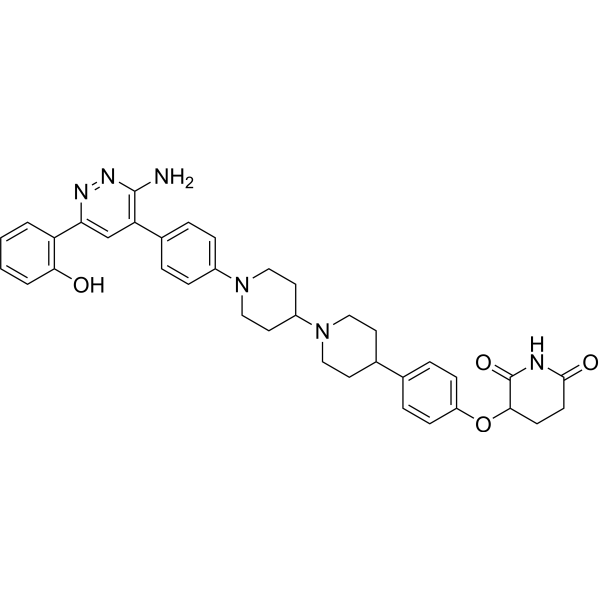 0 ImagesAU-24118 is an orally active PROTAC degrader that recruits cereblon to target the degradation of SMARCA2, SMARCA4 and PBRM1. AU-24118 impairs the chromatin accessibility of oncogenic transcription factors, inhibits colony formation, dislodges chromatin-bound transcription factors, attenuates downstream signal transduction, induces apoptosis, and exerts antiproliferative and cytotoxic effects. AU-24118 can be used in research related to castration-resistant prostate cancer, colorectal cancer, small cell lung cancer and multiple myeloma (including the t (4;14) subtype).
-
PFI-3
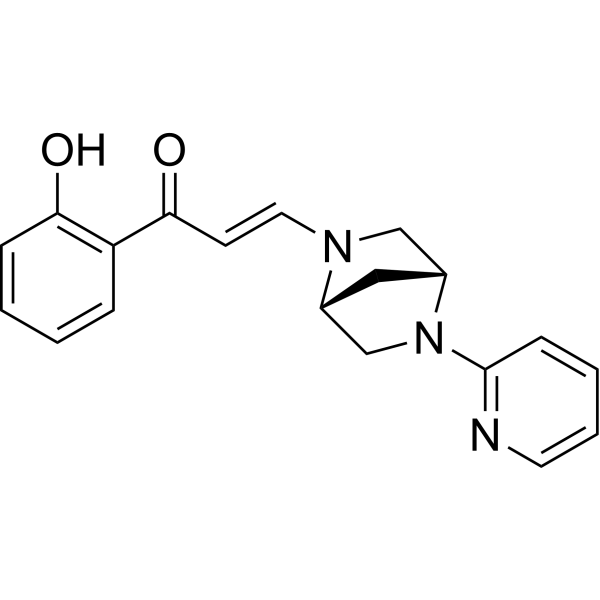 0 ImagesPFI-3, a chemical probe, is a selective, potent and cell-permeable SMARCA2/4 bromodomain inhibitor with a Kd of 89 nM.
-
ACBI2
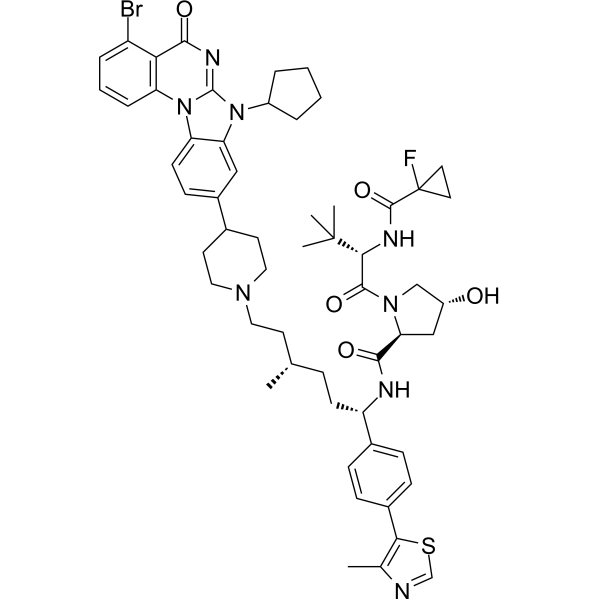 0 ImagesACBI2 is a highly potent and orally active VHL PROTAC SMARCA2 degrader (EC50: 7 nM), which selectively degrades SMARCA2 with a DC50 value of 1 nM in RKO cells. ACBI2 can be used in the research of lung cancer.
-
FHT-1015
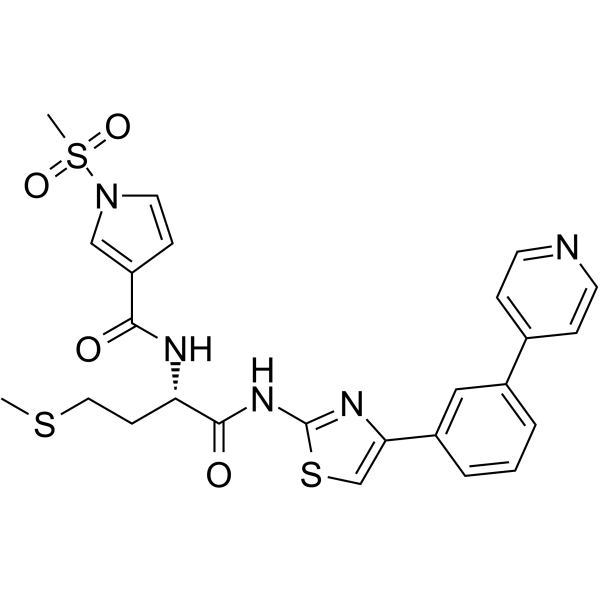 0 ImagesFHT-1015 is a selective SMARCA4 (IC50 = 4 nM) and SMARCA2 (IC50 = 5 nM) (also known as BRG1 and BRM) inhibitor. FH-1015 is an allosteric inhibitor that causes conformation change in the BRG1/BRM protein upon interaction with an allosteric site, inhibiting ATPase activity. FH-1015 interferes with tumor cell growth and migration. FH-1015 can be studied in research for uveal melanoma and hematologic cancer.
-
SGC-SMARCA-BRDVIII
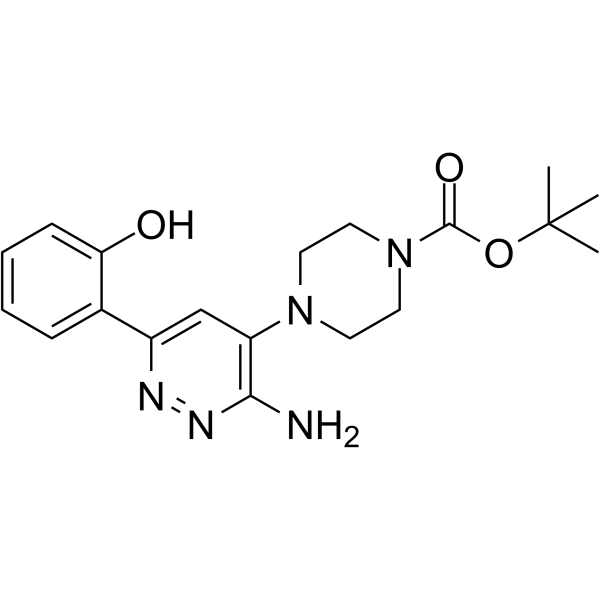 0 ImagesSGC-SMARCA-BRDVIII, a chemical probe, is a potent and selective inhibitor of SMARCA2/4 and PB1(5), with Kds of 35 nM, 36 nM, and 13 nM, respectively. SGC-SMARCA-BRDVIII also inhibits PB1(2) and PB1(3), with Kds of 3.7 and 2.0 μM, respectively. SGC-SMARCA-BRDVIII can block adipogenesis of 3T3-L1 murine fibroblasts.
-
YD23
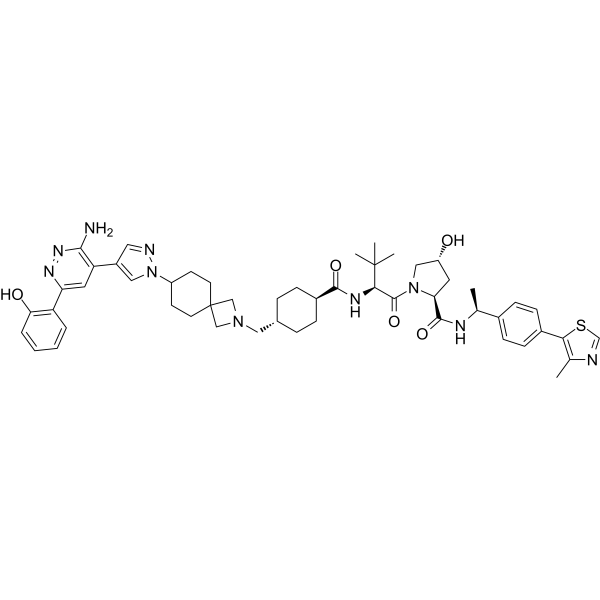
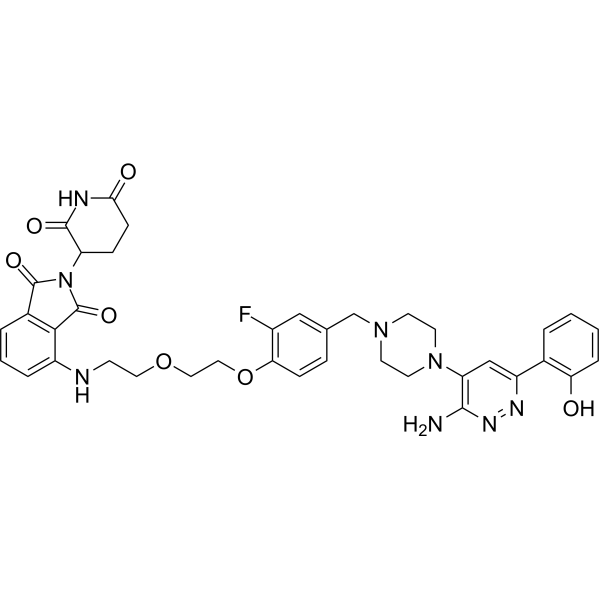 0 ImagesYD23 is a selective SMARCA2 PROTAC degrader with DC50 values of 64 nM and 297 nM in H1792 cells and H1975 cells. YD23 induces degradation of SMARCA2, which is synthetic lethal to SMARCA4. YD23 reduces chromatin accessibility only in SMARCA4 deficient cells, including cell cycle and cell growth regulatory genes. YD23 selectively inhibits growth of SMARCA4 mutant lung cancer cells. YD23 has potent tumor growth inhibitory activity in SMARCA4-mutant xenografts. YD23 can be used for the study of non-small cell lung cancer (NSCLC).
-
GNE-064
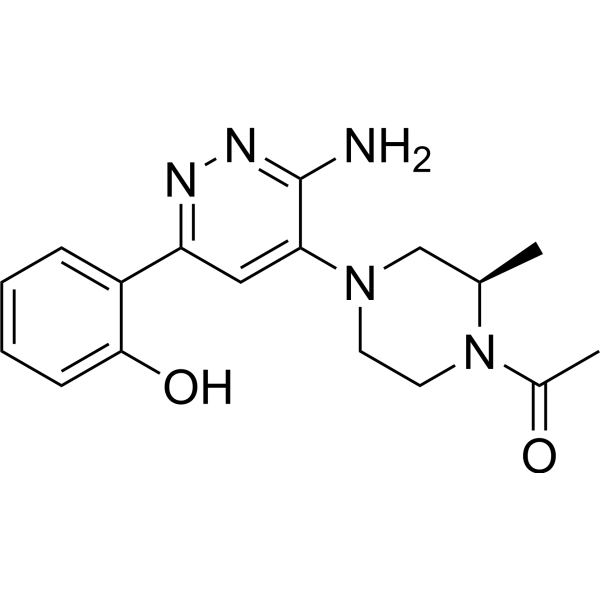 0 ImagesGNE-064 (compound 5) is a selective, orally active and highly soluble inhibitor of SMARCA4, SMARCA2 and PBRM1 bromodomains 5. GNE-064 inhibits SMARCA4 with an IC50 of 0.035 μM and inhibits SMARCA2 with an EC50 of 0.10 μM. GNE-064 possess Kds with 0.01, 0.016, 0.018 and 0.049 μM for SMARCA4, SMARCA2, PBRM1 bromodomains 5 and PBRM1 bromodomains 2, repectively. GNE-064 can be used as a chemical probe for the research of agent synthesis.
-
PRT3789
 0 ImagesCat. No.: HY-159607CAS No.: 2755761-78-3PRT3789 is a selective SMARCA2 PROTAC degrader (DC50 in HeLa cell: 0.72 nM for SMARCA2, 14 nM for SMARCA4). PRT3789 forms a stable ternary complex with Von Hippel-Lindau (VHL) E3 ligase, induces polyubiquitination at SMARCA2-specific lysine residues, and drives proteasome-dependent SMARCA2 degradation. PRT3789 disrupts SWI/SNF chromatin remodeling complex integrity, induces dissociation of specific subunits, suppresses oncogenic gene expression, reduces chromatin accessibility, and upregulates antigen processing/presentation-related gene expression. PRT3789 induces synthetic lethality, inhibits proliferation and colony formation, and drives tumor growth inhibition and regression in SMARCA4-deficient contexts. PRT3789 can be used for the research of SMARCA4-mutated solid tumors, non-small cell lung cancer, endometrial cancer, colorectal cancer, bladder cancer, esophageal cancer, ovarian cancer, and gastric cancer.
-
FHT-2344
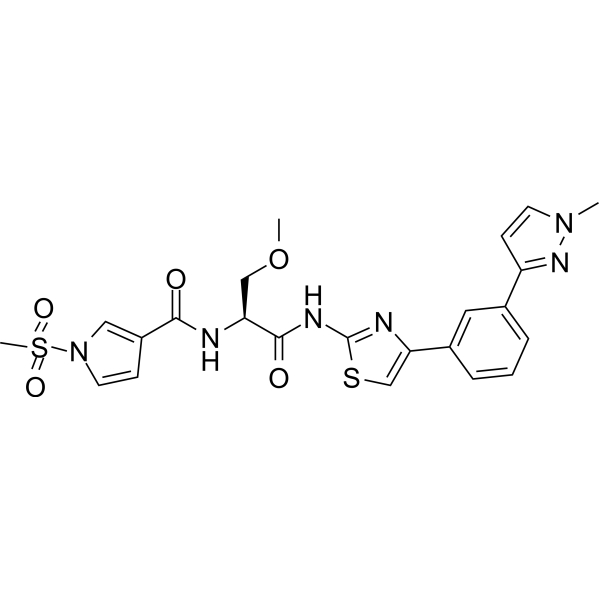 0 ImagesFHT-2344, a chemical probe, is a SMARCA4/SMARCA2 ATPase inhibitor with IC50 values of 0.026 μM and 0.013 μM, respectively. FHT-2344 has anticancer activity.
-
BPTF-IN-BZ1
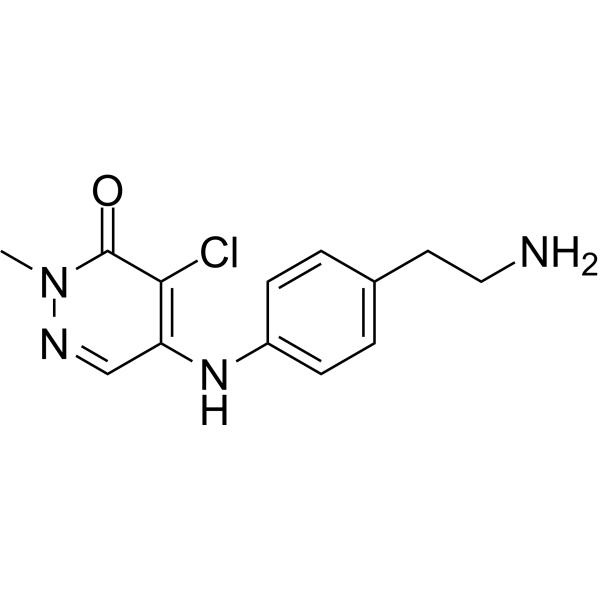 0 ImagesBPTF-IN-BZ1, a BPTF inhibitor, possesses a high potency (Kd = 6.3 nM).
-
PBRM1-BD2-IN-5
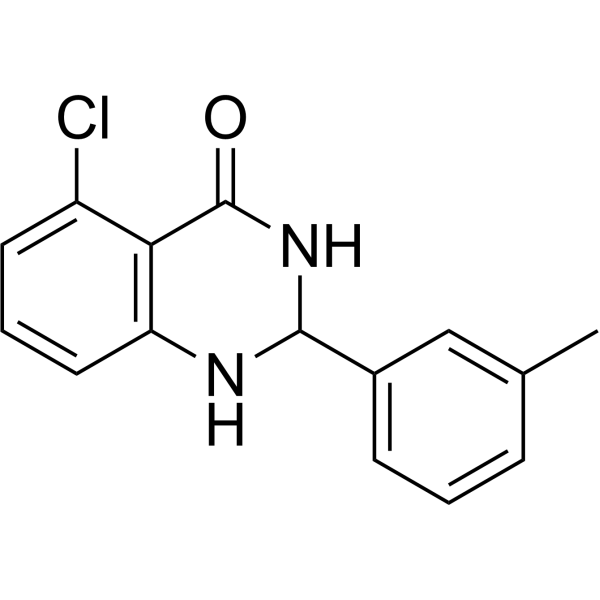 0 ImagesPBRM1-BD2-IN-5 is a potent PBRM1 Bromodomain inhibitor with Kd values of 1.5 μM and 3.9 μM for PBRM1-BD2 and PBRM1-BD5, respectively, and an IC50 value of 0.26 μM for PBRM1-BD2. PBRM1-BD2-IN-5 reduces the binding of full-length PBRM1 within the PBAF complex in cell lysates to acetylated histone peptide. PBRM1-BD2-IN-5 can be used to research anticancer.



